


Fast, Reliable Dryer Vent Cleaning Across Stanford
Dryer vent cleaning in Stanford typically costs $180–$340 for standard residential service, with most appointments completed in 90 minutes. We’re usually on-site in Stanford within 24–48 hours of your call, and same-day service is often available for vent blockages that pose immediate fire risk. Call (855) 677-0949 for a free estimate.
We’ve been driving out to Stanford from San Jose for years — long enough to know the difference between a private home on the edge of campus and a university-leased faculty house where we need to coordinate with Stanford’s Office of Real Estate before we can touch the ductwork. Nearly all of ZIP 94305 sits on Stanford University-owned land, and a large share of residential properties are university-leased faculty and staff homes. That means our Dryer Vent Cleaning team often must work through institutional approval channels rather than dealing directly with a private homeowner — a procedural reality that exists nowhere else in the Bay Area. Turnover between faculty tenants can leave aging ductwork uninspected for years, since maintenance decisions flow through university channels rather than a motivated owner.
Whether you’re in a mid-century faculty home near Palo Verde, a South of Midtown rental, or a Southgate property closer to El Camino Real, we know the local housing stock and the specific vent configurations we’ll encounter. Our owner, Steven Ramirez, personally handles the work — not a rotating subcontractor.
Why Empire Air Duct Cleaning Service San Jose Is Stanford’s Preferred Dryer Vent Cleaning Company
Our track record speaks directly to Stanford homeowners: 798 verified reviews averaging 4.9 stars, built over two decades of showing up, doing the work ourselves, and standing behind it. Steven Ramirez has been in the air duct cleaning trade for 20 years, and he’s the same person who arrives at your door in Stanford — not a dispatched crew with a checklist.
That matters in Stanford because the vent systems here aren’t standard. The mid-century faculty homes built from the 1950s through 1970s — the backbone of Stanford’s residential stock — often have original sheet-metal ductwork sized for whole-house floor furnaces that were later retrofitted with forced-air systems. Because Stanford University controls the land, structural upgrades including HVAC replacements often lag behind comparable privately owned neighborhoods in Palo Alto. We’ve cleaned vents in homes where the duct geometry hasn’t changed in forty years.
We respond to Stanford calls within 24–48 hours, and we carry professional-grade Rotobrush and Nikro equipment specifically suited to dislodge the caked lint and oak debris that builds up in these older systems. When you’re dealing with university-leased housing, you don’t want to explain your home’s quirks to a new technician every time. You want someone who remembers your vent configuration from the last visit.
Our Dryer Vent Cleaning Services in Stanford
Dryer Vent Inspection
Every job starts with a thorough inspection — but in Stanford, that inspection includes questions most contractors don’t ask. Is this university-leased housing? Do we need to notify Stanford Facilities Management before accessing exterior vent caps? In a faculty home near Lasuen Mall, we once found a mid-century forced-air retrofit where the original galvanized trunk line had been fused to flexible duct add-ons — a configuration nearly impossible to clean without partial disassembly. We used our Rotobrush system to clear years of caked lint and pollen, then installed a galvanized bird guard at the vent cap to prevent oak debris from re-entering. That kind of discovery only happens when the inspector understands what to look for in Stanford’s specific housing stock.
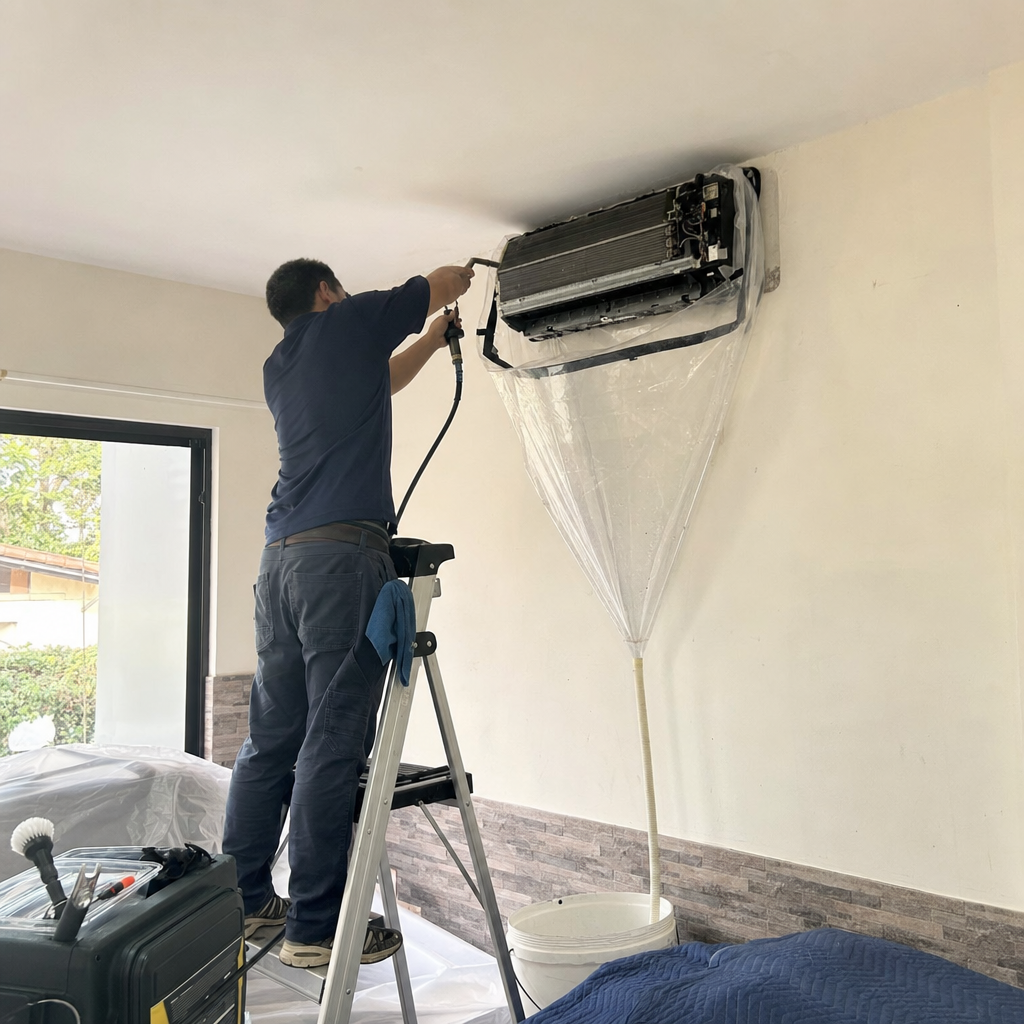
Vent Cleaning & Lint Removal
Stanford’s position within the Stanford oak woodland means valley oak and coast live oak pollen loads up dryer lint traps every March through May. Then the dry, dusty June–October period bakes that organic debris into caked buildup inside vent walls. We’ve pulled out vent blockages in Southgate homes that were half lint, half fossilized pollen — material that a standard brush pass won’t touch. Our Nikro high-velocity vacuum and Rotobrush agitation system break that bond and extract it completely. For homes near the Oak Grove corridor, we typically recommend cleaning every 12–18 months rather than the standard two-year interval, because the pollen load here is genuinely heavier than inland Bay Area locations.
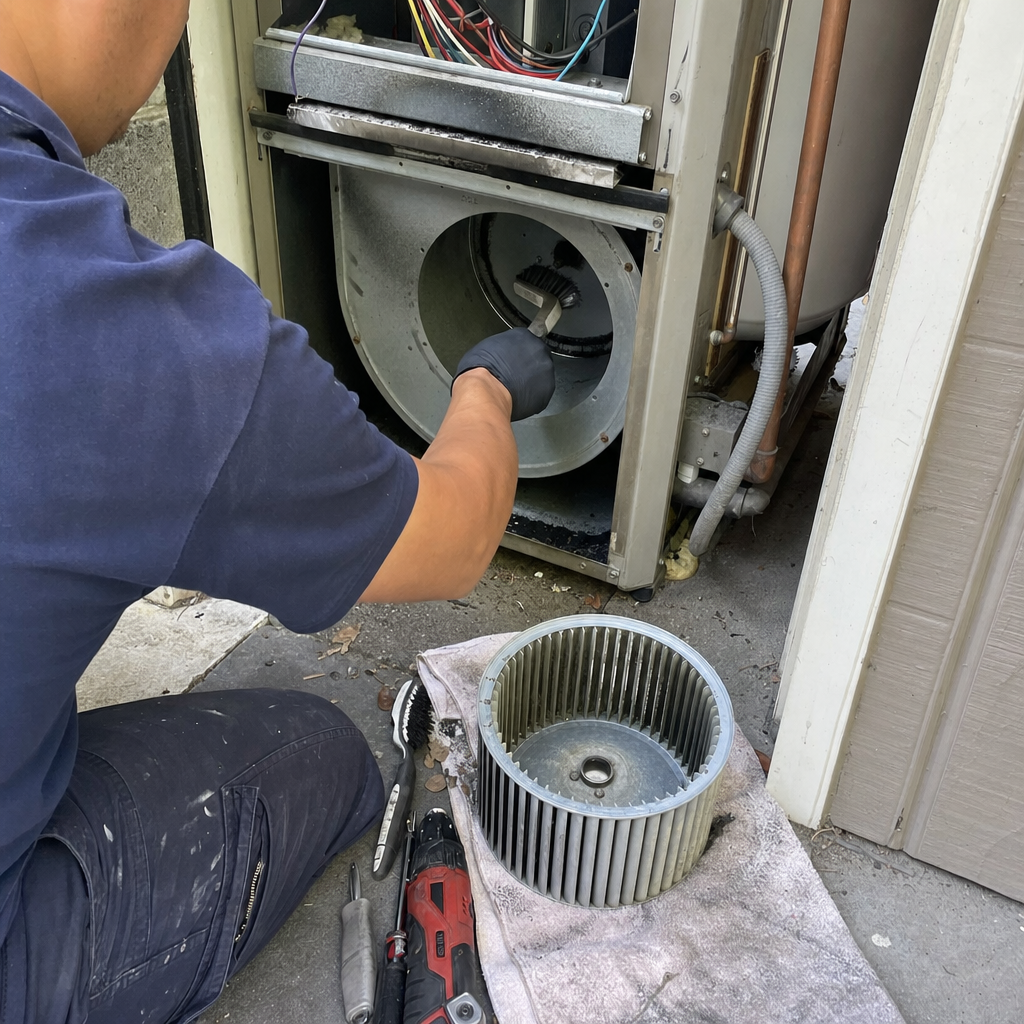
Vent Rerouting
Many Stanford faculty homes were never designed with modern laundry configurations in mind. We’ve rerouted dryer vents in Palo Verde properties where the original vent path ran through unconditioned crawl spaces that now collect condensation, and in South of Midtown homes where a previous owner’s DIY extension created dangerous sag points for lint accumulation. Rerouting in university-leased housing requires particular care — we document the new path for Stanford’s Office of Real Estate and ensure all work meets current California mechanical code. A properly rerouted vent in these older homes can improve drying efficiency by 30% or more and significantly reduce fire risk.

Bird Guard Installation & Vent Cap Replacement
The oak woodland around Stanford doesn’t just produce pollen — it supports active bird and squirrel populations that see unprotected vent caps as ideal nesting sites. We install galvanized bird guards specifically rated for coastal salt-air exposure, because standard hardware-store caps corrode and seize within two to three years here. Vent cap replacement is one of our most common calls from inner-campus faculty housing, where coastal salt air accelerates corrosion on exposed metal faster than anywhere we work inland. A seized vent cap isn’t just an airflow problem — it’s a fire hazard when the dryer can’t exhaust properly.
What happens when you call
- 1
A real person answersNo phone trees — you reach a local pro.
- 2
You get an upfront price rangeHonest numbers before anyone is dispatched.
- 3
A background-checked tech heads outLicensed & insured, dispatched right away.
- 4
You approve before work beginsNothing starts until you say go.
Trusted Brands We Service in Stanford
We maintain stock of vent caps, bird guards, and transition fittings from Rotobrush and Nikro — the same industrial-grade systems we use for cleaning — plus hardware compatible with Guardsman protective products where additional corrosion resistance is needed. For Stanford customers, this means we rarely need to order parts and return later. Most vent cap replacements and bird guard installations finish in a single appointment. When we’re working through Stanford’s institutional approval process, that efficiency matters — you don’t want to schedule a second visit through Facilities Management if you can avoid it.
Common Dryer Vent Cleaning Problems We See in Stanford Homes
- Oak pollen compounding lint buildup. Valley oak and live oak pollen from the Stanford oak woodland loads dryer lint traps in spring, then bakes into caked debris during dry summers, reducing airflow to dangerous levels. We see this combination almost exclusively in the 94305 zone.
- Delayed maintenance in university-leased housing. University oversight can delay maintenance approvals, leaving aging dryer vents with decades of accumulated lint that poses a genuine fire risk. We’ve cleaned vents in faculty homes that hadn’t been inspected since the previous tenant moved in ten years prior.
- Corroded hardware from coastal salt air. Coastal salt air near Stanford accelerates corrosion on dryer vent hardware, causing vent caps to seize and screens to rust out faster than inland. Properties within a mile of the bay face replacement timelines roughly half as long as San Jose equivalents.
- Awkward retrofit duct geometries. Technicians working in university-leased homes near the inner campus frequently find that supply ducts were relined or extended when radiant-heat systems were swapped for forced air in the 1970s and 80s — leaving a patchwork of original galvanized trunk lines fused to flex duct add-ons that are nearly impossible to clean properly without partial disassembly.
Pricing for Dryer Vent Cleaning in Stanford, CA
| Service | Typical Range in Stanford |
|---|---|
| Standard dryer vent cleaning (single-family) | $180 – $260 |
| Heavy lint removal / long-neglected vent | $240 – $340 |
| Vent rerouting (per run) | $320 – $480 |
| Bird guard installation | $85 – $140 |
| Vent cap replacement | $120 – $195 |
What moves you toward the higher end: university-leased properties requiring coordination with Stanford’s Office of Real Estate, vents with retrofit duct geometries needing partial disassembly, or significant corrosion damage from coastal exposure. What keeps you at the lower end: straightforward access, standard flex-duct or rigid-metal runs in good condition, and regular maintenance history. We don’t quote over the phone without understanding your specific setup — but we don’t charge to look, either. Call (855) 677-0949 for a free, no-obligation estimate.
We Also Serve Cities Near Stanford
Our service radius extends naturally to the communities surrounding Stanford: Palo Alto to the north, Atherton to the northeast, East Palo Alto to the east, and Los Altos Hills to the south. Each shares some of Stanford’s coastal climate challenges, though none duplicate the university-land ownership structure that makes 94305 unique. If you’re in a neighboring city and found this page because the housing stock or conditions sound familiar, we likely work in your neighborhood too.
Serving Stanford, CA — Our Local Coverage Area
We’re based in the Stanford area and know this community well. Use the map below to see our service coverage — if you’re nearby, we can almost certainly help.
FAQs — Dryer Vent Cleaning in Stanford
Yes, if your home is university-leased property in ZIP 94305, exterior vent access and any hardware replacement typically requires coordination with Stanford’s Office of Real Estate or Facilities Management. We handle this regularly and can guide you through the notification process, or in some cases communicate directly with university staff if you provide authorization. The key is getting ahead of it before we arrive — call us at (855) 677-0949 and we’ll walk you through what’s needed for your specific property.
Valley oak and coast live oak pollen from the Stanford oak woodland peaks March through May, and that pollen combines with normal lint in ways that standard lint traps can’t fully capture. The resulting mixture compacts harder than lint alone and creates blockages faster than you’ll see in non-oak environments. If you’re near the Oak Grove corridor or Palo Verde, expect to need cleaning every 12–18 months rather than biennially.
The mid-century forced-air retrofits common in 1950s–1970s faculty housing created patchwork duct configurations — original galvanized trunk lines fused to flex duct add-ons — that resist standard cleaning methods and often require partial disassembly. We’ve developed specific techniques for these systems over years of working in Stanford, including targeted Rotobrush agitation and careful reassembly that preserves the original university-installed infrastructure.
Coastal salt air near Stanford accelerates corrosion on vent caps, screens, and exterior fasteners, typically cutting their functional lifespan by 40–50% compared to inland locations. Seized caps and rusted-through screens are the most common failure modes we encounter, and they create genuine fire hazards when exhaust airflow is restricted. We specify galvanized or coated hardware rated for marine-adjacent exposure, not standard big-box replacements.
Yes, and we particularly recommend it for inner-campus faculty housing where mature oak canopy supports active bird and squirrel populations. We install galvanized bird guards rated for salt-air corrosion, document the work for Stanford Facilities Management when required, and verify that the guard doesn’t restrict the exhaust airflow your dryer needs. Call (855) 677-0949 to schedule — estimates are free, and we can assess your current vent cap condition on the same visit.
Written by Steven Ramirez, Owner at Empire Air Duct Cleaning Service San Jose, serving Stanford and the Bay Area since 2004.