
Fast, Reliable Duct Repair & Sealing Across Stanford
Duct repair and sealing in Stanford typically runs $280–$650 for most residential jobs, with same-day or next-day scheduling available throughout the 94305 ZIP code. We’re on the road daily from our San Jose base, and the short hop up I-280 or El Camino Real puts us at Stanford Hills, Stanford Weekend Acres, or Ventura neighborhood homes within 30–45 minutes. Whether you’re dealing with whistling supply vents, rooms that won’t heat evenly, or energy bills that climbed without explanation, our Duct Repair & Sealing team diagnoses the real problem and fixes it with the owner on every job. Call (855) 677-0949 for a free estimate.
Why Empire Air Duct Cleaning Service San Jose Is Stanford’s Preferred Duct Repair & Sealing Company
We’ve worked in enough Stanford faculty homes to know the difference between a standard duct patch and the layered approvals that university-leased properties require. Steven Ramirez, our owner and lead technician, has 20 years in this trade and personally handles every repair — not a rotating subcontractor with a van rental. That matters when you’re explaining duct geometry to Stanford’s Office of Real Estate or Facilities Management.
Our track record backs it up: 798 verified reviews averaging 4.9 stars. Stanford customers specifically mention our ability to navigate university protocols without delaying the actual repair work. We carry professional-grade equipment from Rotobrush and Nikro, and we stock mastic sealant, galvanized connectors, and flex duct in common diameters so we’re not making multiple trips while you’re waiting.
Response time to Stanford is typically same-day for calls placed before noon, next-day for afternoon requests. We know which campus-adjacent streets have parking restrictions, which faculty courts require pre-registered vehicle access, and how to coordinate with building managers near The Main Gallery area without creating paperwork headaches for tenants.
Our Duct Repair & Sealing Services in Stanford
Duct Sealing
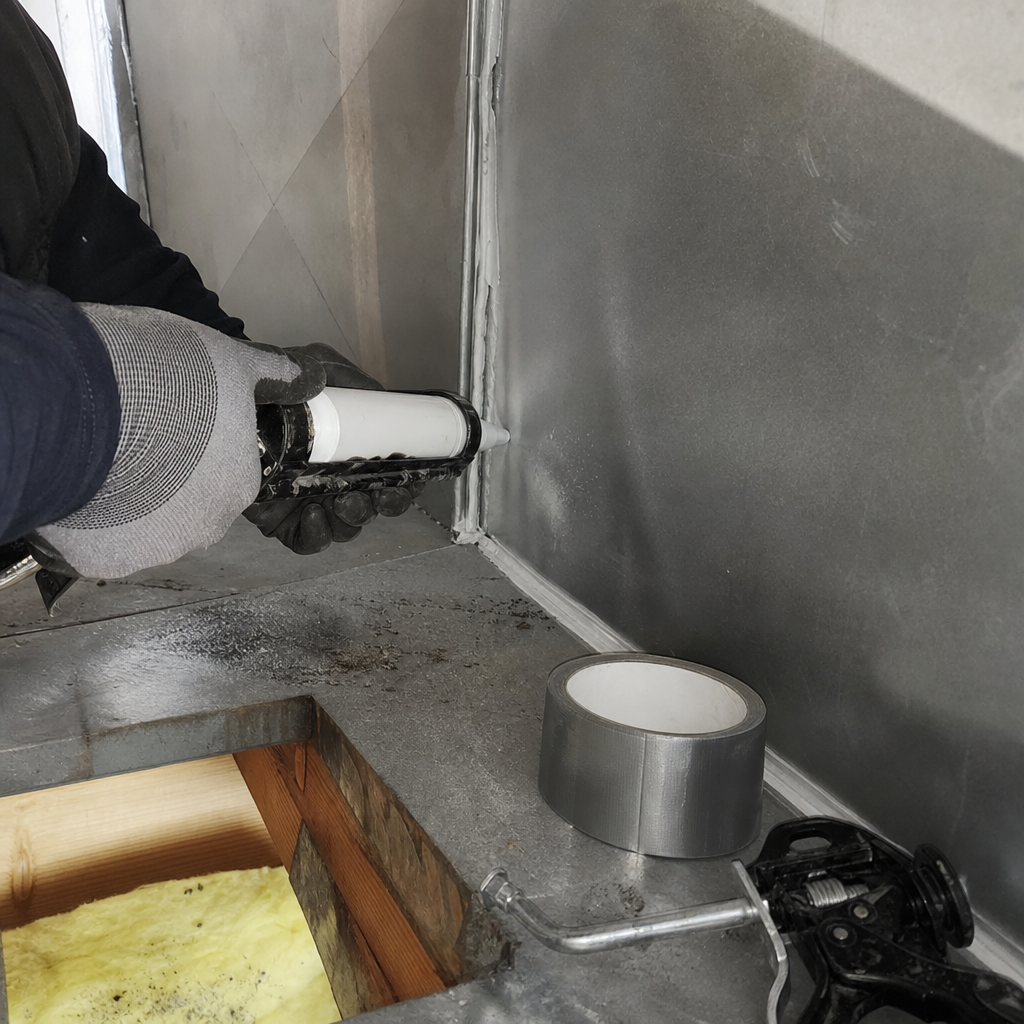
Leaky ducts waste 20–30% of conditioned air before it reaches your rooms. In Stanford’s mid-century faculty housing, we see this problem amplified by decades of patchwork retrofits where original galvanized trunk lines meet later flex duct additions. Our sealing process starts with a pressure test to map every leak, then we apply mastic sealant — not duct tape, which fails in 6–18 months — to create a permanent bond rated for the temperature swings of forced-air systems. For homes near the oak woodland edge, we also check for pollen and debris infiltration points that compromise indoor air quality during March–May season.
Flex Duct Repair
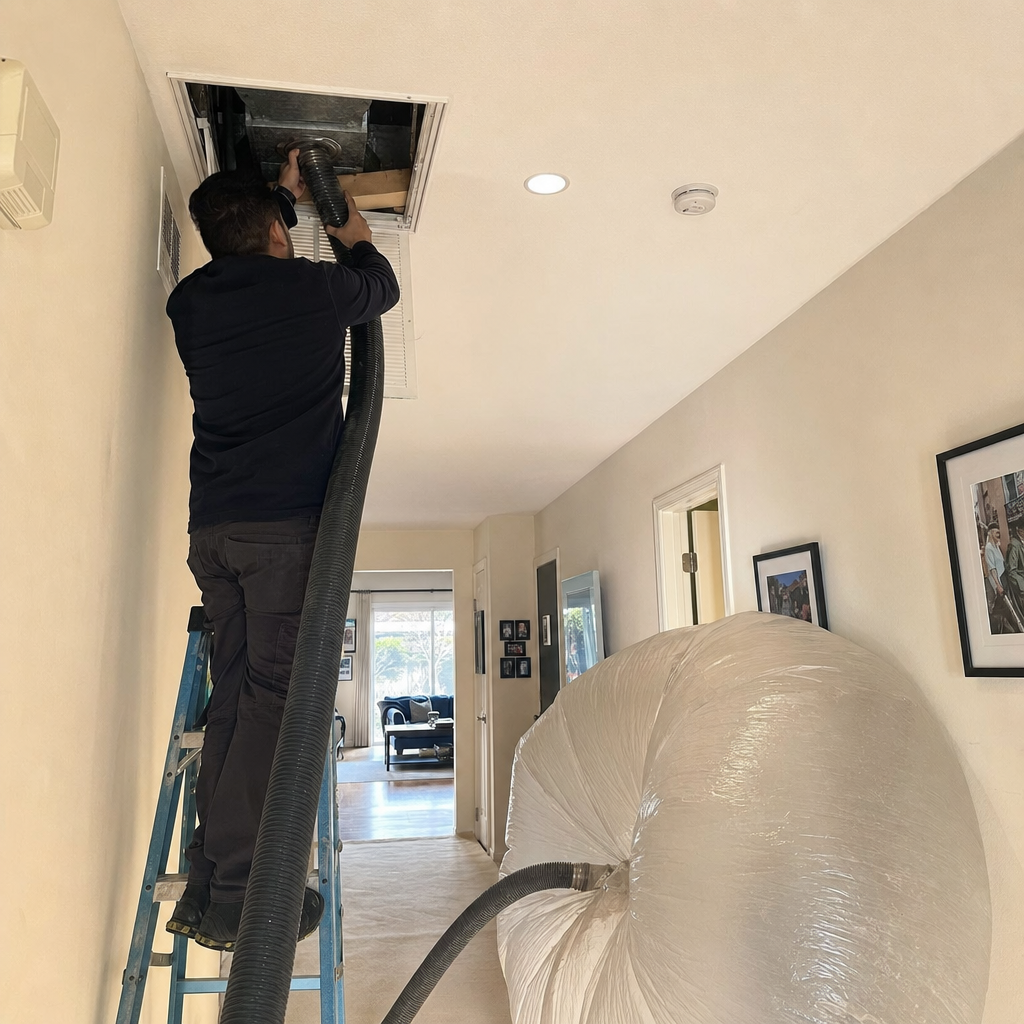
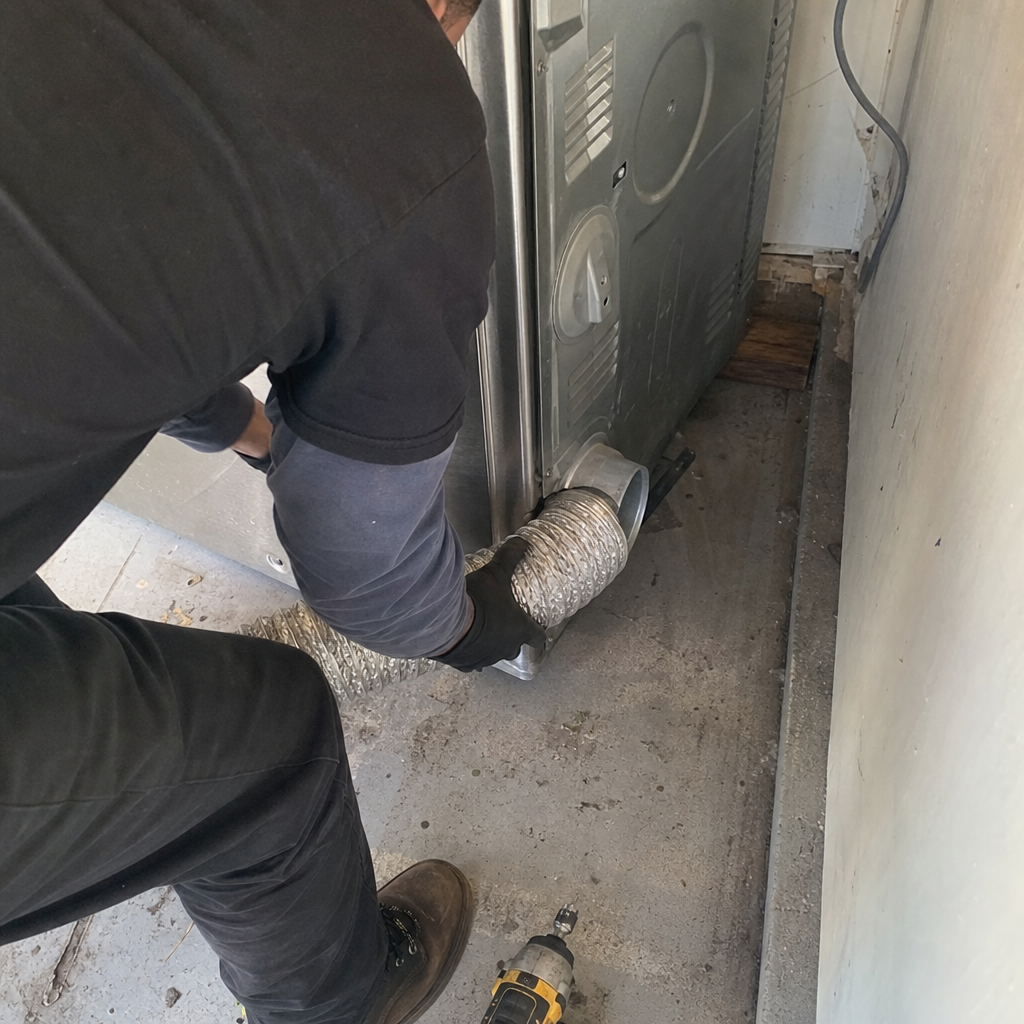
Flex duct installed during 1970s and 80s forced-air retrofits is now reaching end of life across Stanford’s housing stock. We find crushed, torn, or disconnected flex runs in attics and crawl spaces — especially in Stanford Hills homes where original radiant-heat systems were converted without resizing the distribution path. Our repair replaces damaged sections with insulated flex duct rated for California Title 24 standards, properly supported every 4 feet to prevent sagging, and sealed with mechanical fasteners plus mastic at every junction.
Metal Duct Repair
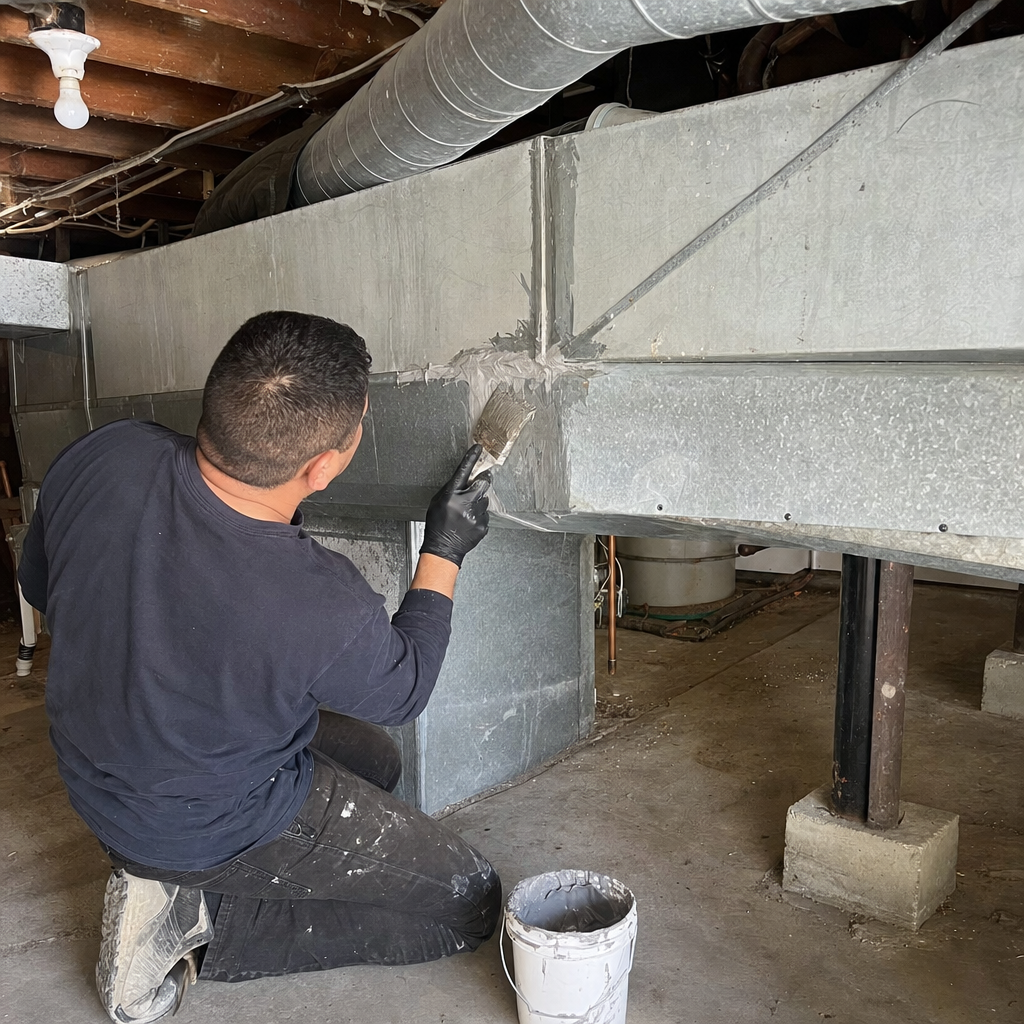
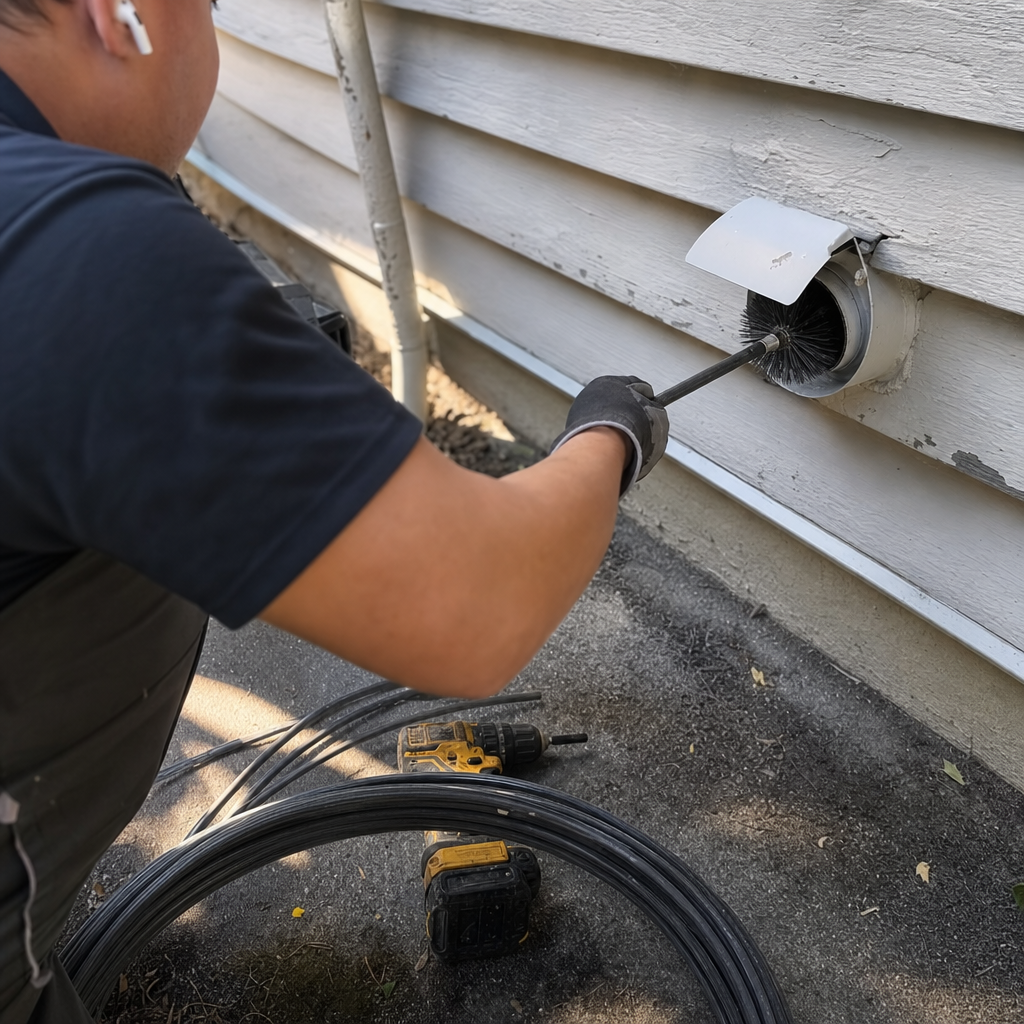
Original sheet-metal ductwork from the 1950s–70s is built to last, but coastal salt air from the nearby bay accelerates corrosion at joints and seams. In homes near Barron Park and the Oak Grove corridor, we’ve replaced corroded metal trunk lines where the galvanized coating has failed after 50+ years of exposure. We fabricate replacement sections on-site, match existing diameters for proper airflow balance, and use galvanized connectors with sealed rivets — not sheet-metal screws that create new leak points.
Duct Insulation
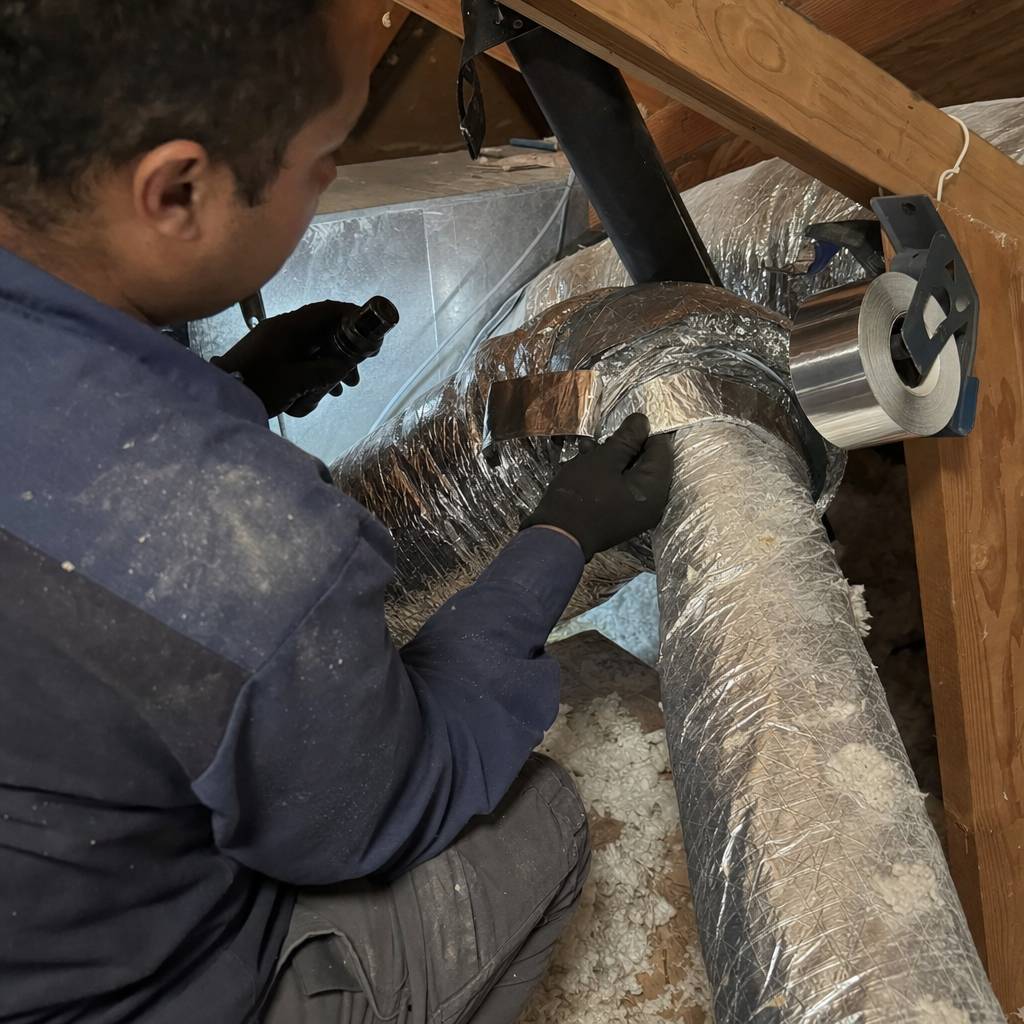
Uninsulated or degraded duct insulation is a hidden energy drain. In Stanford’s mild climate, many older homes were built without AC and later retrofitted, leaving supply ducts uninsulated in attics that hit 140°F in summer. We install fiberglass duct insulation with vapor barriers, sealed at all seams, to maintain supply air temperature from the air handler to the register. For homes with winter condensation issues — common in dormant duct systems that sit unused half the year — proper insulation prevents moisture accumulation that feeds mold growth behind cracked mastic seals.
What happens when you call
- 1
A real person answersNo phone trees — you reach a local pro.
- 2
You get an upfront price rangeHonest numbers before anyone is dispatched.
- 3
A background-checked tech heads outLicensed & insured, dispatched right away.
- 4
You approve before work beginsNothing starts until you say go.
Trusted Brands We Service in Stanford
We specify Honeywell and Aprilaire components for control and filtration upgrades tied to duct repair work, and we stock Abatement Technologies encapsulation products for homes with deteriorated duct liners that need sealing rather than replacement. These aren’t generic alternatives — they’re the same brands specified in commercial and institutional HVAC work, which matters when Stanford’s Facilities Management reviews repair documentation. We carry common sizes and fittings on our service vehicles, so most Stanford repairs don’t wait on parts orders. When a specific component is needed, our San Jose warehouse maintains inventory that typically reaches Stanford next-day.
Common Duct Repair & Sealing Problems We See in Stanford Homes
- Corroded metal joints from coastal salt air. Stanford’s proximity to the bay means salt-laden fog penetrates attic and crawl space vents, accelerating rust on galvanized duct seams and fasteners. We inspect for this specifically in homes near the oak woodland edge, and we specify corrosion-resistant hardware for replacements.
- Patchwork duct geometries from forced-air retrofits. The 1970s conversion wave left many faculty homes with original trunks spliced to flex duct add-ons — seams that resist standard cleaning and leak at the junction points. Partial disassembly and proper reconnection with mastic sealant is usually required.
- Mold-friendly moisture in dormant winter ducts. Stanford’s lack of hard winters means many homes historically lacked AC, so supply ducts sit idle through winter condensation cycles. Cracked mastic seals and uninsulated runs create microclimates where mold establishes before spring startup.
- Pollen and debris infiltration from oak woodland exposure. Valley oak and coast live oak pollen loads during March–May settle into duct systems through compromised seals, then bake into duct liners during the dry June–October period. This organic buildup restricts airflow and degrades indoor air quality.
Pricing for Duct Repair & Sealing in Stanford, CA
Most duct sealing jobs in Stanford run $280–$450 for a standard single-system home with accessible ductwork. Flex duct repair or section replacement typically falls between $180–$340 per run, depending on length and attic access difficulty. Metal duct repair involving fabricated replacement sections ranges $320–$650, with complex geometries or multiple corroded joints toward the higher end. Duct insulation retrofit for a complete system averages $1,200–$2,400, varying with home size and whether removal of degraded existing material is required.
Several factors push costs up or down: university-leased properties sometimes require after-hours scheduling to minimize tenant disruption, which we accommodate without surcharge when possible; homes with original sheet-metal duct sized for floor furnaces often need custom transition fittings; and accessibility in Stanford Hills crawl spaces with limited clearance can extend labor time. We provide itemized, upfront quotes before any work begins — no open-ended hourly billing. Estimates are free. Call (855) 677-0949.
We Also Serve Cities Near Stanford
Our service radius extends naturally to Palo Alto properties just across El Camino Real, Atherton estates requiring discreet scheduling, East Palo Alto homes with similar mid-century duct stock, and Los Altos Hills residences with larger custom systems. The same owner-technician, same equipment, same direct accountability applies to every call.
Serving Stanford, CA — Our Local Coverage Area
We’re based in the Stanford area and know this community well. Use the map below to see our service coverage — if you’re nearby, we can almost certainly help.
FAQs — Duct Repair & Sealing in Stanford
Nearly all of ZIP 94305 sits on university-owned land, and most residential properties are faculty or staff leases rather than private ownership. This means duct repair work often requires notification to Stanford’s Office of Real Estate or Facilities Management before access, a procedural layer that doesn’t exist in privately owned neighborhoods like Palo Alto’s Old Palo Alto district. We handle this coordination as part of our standard process — we’ve worked with university protocols enough to know the documentation requirements and typical approval timelines. Call (855) 677-0949 and we’ll walk you through what’s needed for your specific property.
Salt air from the nearby bay accelerates corrosion of metal duct joints, fasteners, and galvanized trunk lines — particularly in homes near the oak woodland edge where ventilation patterns draw marine air into attics and crawl spaces. We see failed seams and rusted connectors 5–10 years sooner than in comparable inland construction. Our repair specification includes corrosion-resistant galvanized hardware and, where appropriate, stainless fasteners at critical joints. Call (855) 677-0949 for an inspection if your home is within a mile of the bay.
The patchwork of original galvanized trunk lines fused to flex duct add-ons from 1970s forced-air retrofits creates leak-prone seams that resist standard maintenance. These geometries are nearly impossible to clean properly without partial disassembly, and the junction points typically fail first. We address this by separating the original and added sections, properly reconnecting with mechanical fasteners and mastic sealant, and insulating the exposed run. In a mid-century home near Barron Park, we replaced a corroded metal trunk line where exactly this configuration existed — using mastic sealant and galvanized connectors, we restored airtight flow and insulated the exposed run.
Yes — the lack of hard winters means many older faculty homes historically operated without air conditioning, so supply ducts sit dormant through winter condensation cycles. Moisture accumulates in uninsulated runs, and cracked mastic seals allow that moisture to reach organic debris in the duct liner, creating mold-friendly conditions. Spring startup then distributes those spores before the system dries out. We recommend inspecting dormant duct systems before first seasonal use, particularly in homes without year-round heating and cooling operation. Call (855) 677-0949 to schedule a pre-season check.
We specify Honeywell and Aprilaire for filtration and control components, and Abatement Technologies for duct liner encapsulation when existing material is degraded but structurally sound. For cleaning and preparation work, we use Rotobrush and Nikro professional systems — the same equipment used in institutional and commercial duct maintenance. These aren’t consumer-grade alternatives; they’re specified to meet documentation standards that Stanford’s Facilities Management recognizes. Call (855) 677-0949 for brand-specific questions about your repair.
Written by Steven Ramirez, Owner at Empire Air Duct Cleaning Service San Jose, serving Stanford since 2004.