
Abatement Technologies Air Duct Cleaning in San Jose: A Homeowner’s Guide
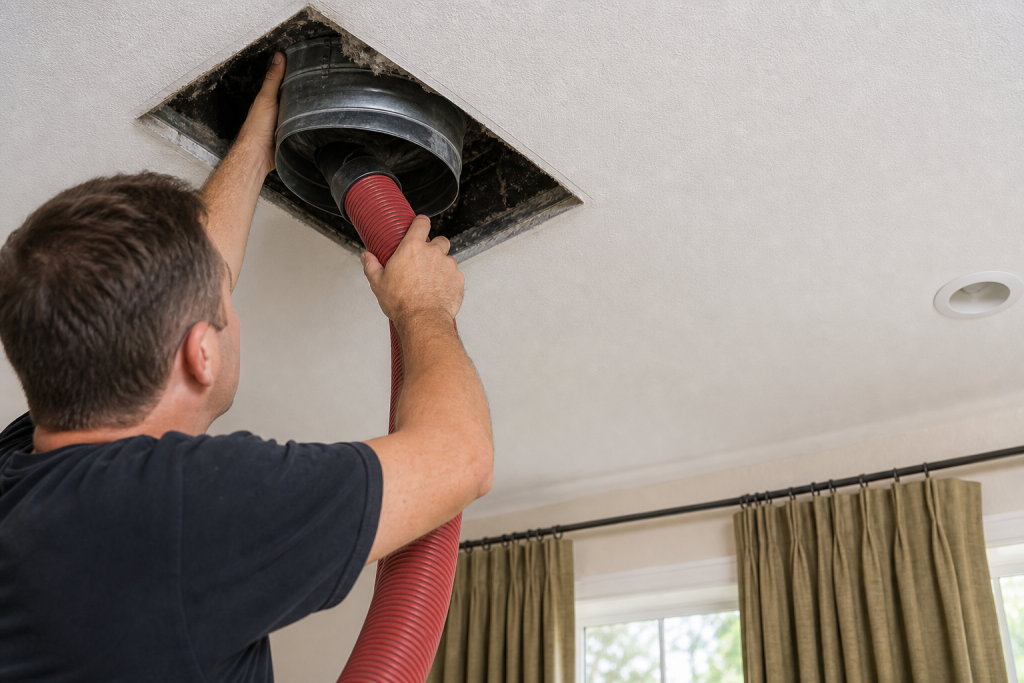
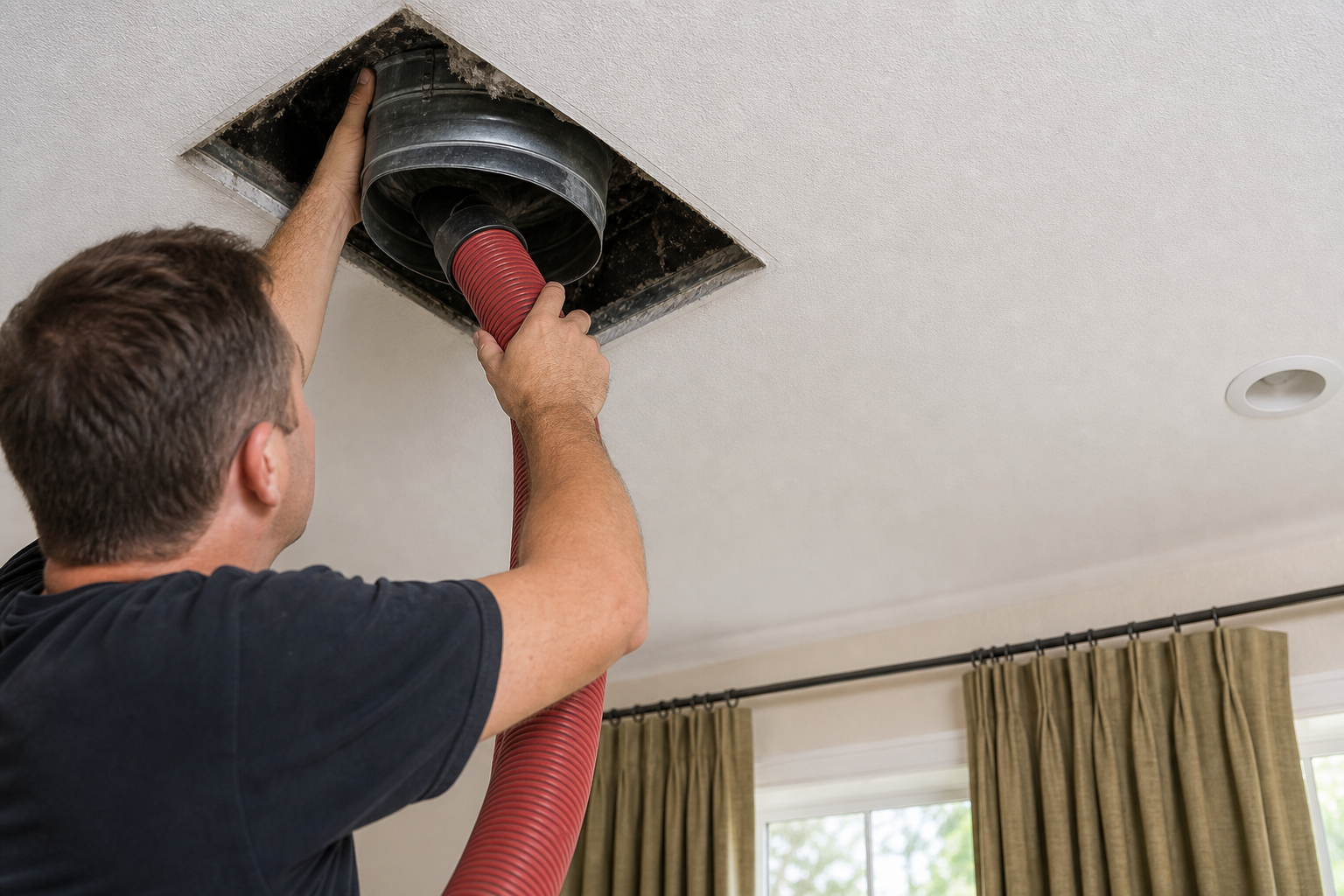
Abatement Technologies air duct cleaning in San Jose refers to professional-grade, HEPA-filtered negative-pressure systems that capture dislodged debris at the source rather than redistributing it through your home. When operated correctly with proper access points and matching agitation tools, these machines meet the NADCA-recommended source-removal standard. If you’d rather not vet equipment specs yourself, call Empire Air Duct Cleaning Service San Jose at (855) 677-0949 for a free estimate—we’ll show you exactly what’s on our truck before we start.
Here’s the mistake we see weekly: a homeowner in Willow Glen or Berryessa brags that their last cleaner “had the big machine,” but their supply registers were still dusty two days later. The equipment badge matters far less than whether the technician understood how to deploy it. We’ve been called behind crews who ran a $15,000 Abatement Technologies HEPA vacuum for 45 minutes, skipped the return side entirely, and never checked if the agitation brush was compatible with flex duct. The machine sat there looking impressive. The ducts stayed dirty.
What Abatement Technologies Equipment Actually Does
Abatement Technologies manufactures portable HEPA-filtered negative air machines designed specifically for source removal in HVAC systems. Unlike a shop vacuum that simply sucks at a single point, these units create controlled negative pressure throughout a sealed duct zone, pulling dislodged particulate through a multi-stage filtration system before exhausting air back into your space.
The mechanical sequence matters. First, the technician seals supply and return registers to isolate zones. Then agitation tools—whips, brushes, or compressed-air devices—mechanically disturb debris adhered to duct walls. The negative pressure machine, positioned at a strategic access point, captures that debris continuously rather than letting it migrate into your living areas.
What separates this from consumer-grade approaches:
- CFM volume: Professional units move 2,000–5,000 CFM, creating sufficient airflow to overcome duct resistance and maintain capture velocity
- HEPA final filtration: 99.97% capture at 0.3 microns, meaning what gets pulled out stays out
- Sealed containment: Negative pressure prevents pressurization that would force debris through leaks into wall cavities
In our 20 years across San Jose, from the older galvanized steel ducts in Naglee Park to the flex-duct installations in Evergreen, we’ve learned that equipment without proper technique is just expensive noise. The Abatement Technologies system works when the technician calculates your duct volume against the machine’s rated CFM, selects access points that create complete airflow paths, and matches agitation intensity to your duct material.
Source Removal vs. Simple Dislodging: Why NADCA Standards Matter
The National Air Duct Cleaners Association (NADCA) recommends source removal—physically extracting contaminants rather than merely breaking them loose. This distinction separates legitimate cleaning from cosmetic brushing.
Here’s what happens without proper negative pressure: a rotating brush knocks debris off duct walls, but without sufficient capture airflow, that debris becomes airborne inside your system. Your blower motor then distributes it through registers over the following days. You’ve paid for agitation without extraction.
Abatement Technologies equipment, when deployed to NADCA standards, creates the extraction component. The negative pressure machine becomes the “out” in a push-pull system. Agitation provides the “push.” Capture velocity at the access point must exceed the settling velocity of the heaviest particles being dislodged—typically 3,000–4,000 FPM at the hose inlet for residential debris loads.
We’ve inspected San Jose homes where previous cleaners ran brushes for hours without negative pressure backup. The homeowner’s complaint was always identical: “It seemed cleaner for a day, then worse than before.” That’s not equipment failure. That’s methodology failure.
How to Verify Correct Equipment Use
Before any work begins, a competent technician should walk you through these verification points:
- Access point strategy: The negative pressure machine needs placement that creates airflow through the entire zone being cleaned. For a typical San Jose single-story with a central trunk, this usually means a main trunk access near the air handler plus register sealing to force directional flow. If the machine sits by your front door with a single hose poked into one register, you’re not getting source removal.
- CFM rating relative to your system volume: Ask what CFM the unit delivers at the hose end (not the blower rating, which doesn’t account for duct resistance). A 2,000 CFM machine handling 150 linear feet of 8-inch duct is appropriately sized. The same machine on a 400-linear-foot commercial system is undersized and will lose capture efficiency.
- Agitation tool matching: Fiberglass flex duct requires soft-bristle or pneumatic whips that won’t tear the liner. Rigid metal duct tolerates stiffer brushes. In San Jose’s older homes near Japantown, we’ve encountered asbestos-containing duct tape and insulation; aggressive agitation there isn’t just ineffective—it’s hazardous. The technician should inspect before selecting tools.
Look at the truck before work starts. Professional equipment from Abatement Technologies, Rotobrush, or Nikro systems isn’t backpack-portable. If the “machine” fits in a sedan trunk, you’re not seeing source-removal capability.
What This Equipment Cannot Do
Honest contractors set boundaries. Abatement Technologies negative pressure systems excel at particulate removal. They do not:
- Remediate mold chemically. Active mold growth requires EPA-registered antimicrobial application, often with physical removal of contaminated porous materials. HEPA vacuuming removes spores and settled debris but doesn’t kill underlying colonization. We coordinate with Aprilaire and Honeywell product protocols when sanitizing is appropriate, but we never present vacuuming as mold remediation.
- Repair duct leaks. Negative pressure can actually reveal leaks you didn’t know existed—air screaming through a disconnected return in a San Jose crawlspace is audible once the system is sealed for cleaning. But the machine doesn’t seal them. Duct repair and sealing requires separate access, mastic or metal-backed tape application, and sometimes mechanical fastening.
- Substitute for inspection. We won’t run equipment until we’ve visually assessed your system through register openings and, where accessible, the air handler cabinet. Last month in Rose Garden, we found a collapsed flex duct section that would have destroyed any brush sent through blindly. Inspection first, always.
Related services in San Jose: if your system needs more than debris removal, Empire Air Duct Cleaning Service San Jose home offers full-scope work including Air Duct Cleaning in Alum Rock, Dryer Vent Cleaning in Alum Rock, and HVAC Cleaning in Alum Rock.
Questions to Ask Before Hiring Any Contractor
Equipment claims are easy; verified performance is harder. Ask these specifics:
- “What CFM does your negative pressure unit deliver at the hose, and how does that compare to my system’s total volume?”
- “Will you seal registers to create zoned negative pressure, or just vacuum at individual openings?”
- “What agitation tools do you use for flex duct versus rigid metal, and how do you determine which I have?”
- “Do you perform pre-cleaning inspection with camera or visual access?”
- “What’s on your truck—can I see the equipment before we begin?”
The answers reveal whether you’re getting a technician or a salesperson with a rented machine. In our experience, the contractor who dodges these questions or responds with “we’ve got top-of-the-line stuff” without specifics is the one cutting corners.
When to call a pro: if you’re experiencing persistent dust accumulation after normal cleaning, uneven airflow between rooms, musty odors when the system runs, or allergy symptoms that worsen at home, your ducts likely need professional assessment. DIY register vacuuming reaches approximately 18 inches into the duct run—everything beyond that requires specialized access and extraction equipment.
Key Takeaways
- Abatement Technologies equipment performs HEPA-filtered negative-pressure source removal, not simple vacuuming
- Proper deployment requires correct access point placement, adequate CFM for your duct volume, and matched agitation tools
- NADCA’s source-removal standard means extraction, not just dislodging debris
- Even professional equipment cannot remediate mold, seal leaks, or replace thorough inspection
- Verify before hiring: ask specific technical questions and request to see the equipment
The Bottom Line
Equipment badges don’t clean ducts—trained technicians running proper methodologies do. Abatement Technologies systems are capable tools in qualified hands, but the homeowner’s job is distinguishing qualified hands from convincing sales pitches. Ask the technical questions. Look at the truck. Demand pre-cleaning inspection.
If you’re in San Jose and want an owner-technician with 20 years of hands-on experience to assess your system, Empire Air Duct Cleaning Service San Jose offers free estimates. Call (855) 677-0949 and we’ll walk you through exactly what equipment we bring, why we selected it for your home’s configuration, and what you should expect to see when the job is done right.
Frequently Asked Questions
Most San Jose homes fall between $400 and $800 for complete source-removal cleaning using professional negative-pressure equipment, with variables including system size, accessibility, and contamination level. Larger homes with multiple zones or extensive flex-duct runs in crawlspaces trend higher. Call (855) 677-0949 for an exact quote—estimates are free.
Each serves different applications. Abatement Technologies excels at high-volume negative-pressure extraction for larger rigid-duct systems. Rotobrush and Nikro systems offer versatile portable configurations ideal for residential flex-duct work and tighter access. We select equipment based on your specific duct configuration, not brand loyalty.
A thorough source-removal cleaning for a typical 2,000-square-foot San Jose home requires 3 to 5 hours. Jobs completed in 90 minutes likely skipped zones, lacked proper negative pressure setup, or didn’t include post-cleaning verification. Rushed cleaning often redistributes debris rather than removing it.
Consumer vacuums lack the CFM, HEPA filtration, and access capability for source removal beyond the first few feet of duct run. Without negative pressure containment, DIY attempts typically dislodge debris deeper into the system where it recirculates. For anything beyond register surface cleaning, professional equipment and technique are necessary.
Written by Steven Ramirez, Owner & Lead Technician at Empire Air Duct Cleaning Service San Jose, serving San Jose since 2006.
Need Air Duct Cleaning Help?
Call Empire Air Duct Cleaning Service San Jose — licensed & insured, here with fast after-hours help in San Jose.
(855) 677-0949